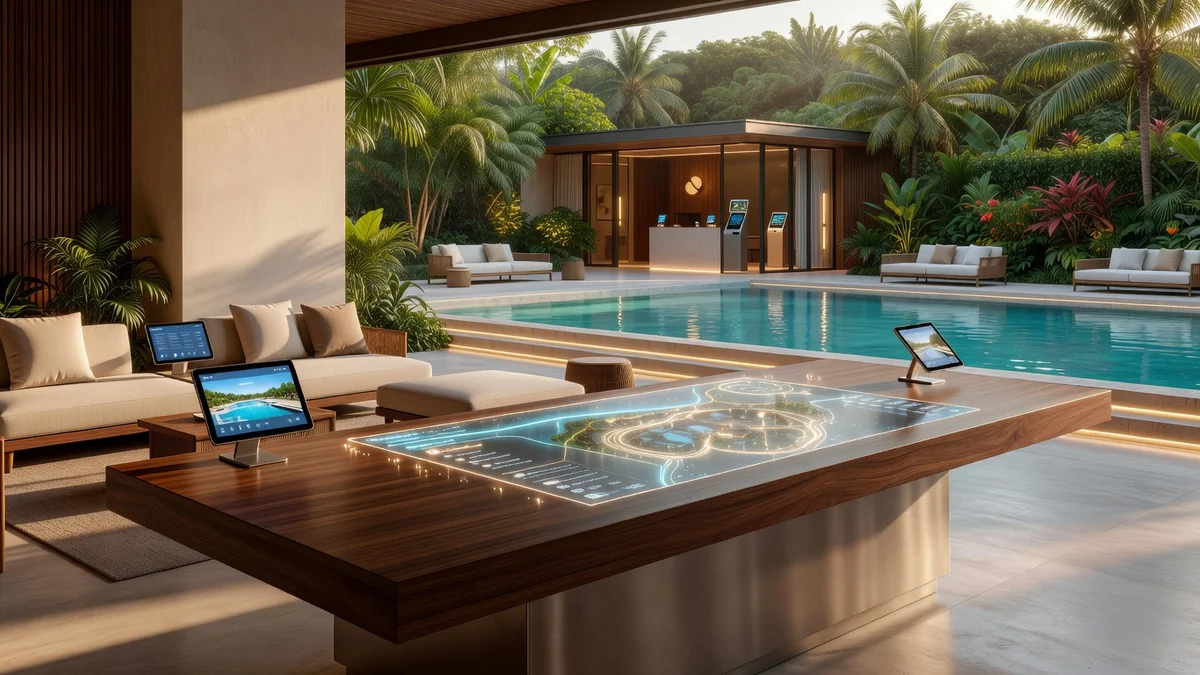
Embracing the Digital Shift in Outdoor Hospitality
Imagine stepping into a luxurious glamping site where your tent automatically adjusts the lighting and temperature based on your preferences, or managing a bustling campsite where bookings flow seamlessly through an AI-powered app. This isn’t a scene from a sci-fi movie—it’s the reality of outdoor hospitality technology today. As the hospitality industry evolves, outdoor venues like campsites, glamping retreats, and adventure resorts are leveraging cutting-edge tech to enhance guest experiences, streamline operations, and boost revenue. For hotel managers, campsite owners, and hospitality professionals, staying ahead of these trends isn’t just beneficial—it’s essential in a market where travelers demand convenience and personalization.
In this post, we’ll explore the key technology trends reshaping outdoor hospitality, from basic campsites to high-end glamping. We’ll dive into practical examples, share actionable advice, and back it up with relevant data. Whether you’re running a rustic RV park or a boutique eco-resort, understanding outdoor hospitality technology can help you future-proof your business.

The Rise of Mobile and App-Based Solutions
Mobile technology has become the backbone of modern outdoor hospitality, making it easier for guests to book, check-in, and navigate their stays without ever visiting a front desk.
Streamlining Bookings and Reservations
Gone are the days of manual ledgers and phone calls. Today’s outdoor hospitality technology includes robust mobile apps and online platforms that handle reservations in real-time. For instance, apps like Hipcamp or Campspot allow users to browse sites, view availability, and book instantly, complete with photos and reviews.
- Actionable Advice: Integrate a mobile booking system with your website. Start by choosing user-friendly platforms like ResNexus or Cloudbeds, which offer seamless integration for campsites and glamping sites. Ensure your app supports features like dynamic pricing—adjust rates based on demand to increase occupancy by up to 20%, according to industry estimates from the Outdoor Industry Association.
Enhancing On-Site Navigation and Experiences
Once guests arrive, mobile apps can guide them with GPS-enabled maps, trail recommendations, and even augmented reality (AR) tours of nearby attractions. A glamping resort in California, for example, uses an app to let guests scan QR codes for virtual guides on stargazing spots.
“Mobile apps aren’t just tools; they’re experience enhancers that can turn a simple campsite stay into an unforgettable adventure.” – Hospitality Tech Report, 2023
Statistics show that 65% of outdoor travelers prefer apps for navigation and activity planning, per a 2022 survey by the Adventure Travel Trade Association. For campsite owners, this means investing in app development could reduce no-shows by 15% through automated reminders.
- Practical Example: Implement push notifications for weather updates or event alerts. If you’re a resort manager, partner with local tech firms to customize apps that include gamification elements, like rewarding guests for eco-friendly behaviors.
IoT and Smart Devices: Bringing Comfort to the Outdoors
The Internet of Things (IoT) is revolutionizing how outdoor hospitality operates, blending technology with nature to create smarter, more efficient environments.
Smart Tents and Eco-Friendly Innovations
In glamping, IoT-enabled tents are a game-changer. These “smart” accommodations feature sensors that monitor temperature, humidity, and even air quality, adjusting settings automatically. Brands like Under Canvas have adopted solar-powered IoT systems that power lights and charging stations, appealing to eco-conscious travelers.
- Actionable Advice: For campsite owners, start small by installing IoT sensors in communal areas like restrooms or fire pits. Use devices from companies like Honeywell to track usage and predict maintenance needs, potentially cutting operational costs by 25%.
Energy Management and Sustainability
Sustainability is a hot topic, with 78% of travelers seeking eco-friendly options, according to Booking.com’s 2023 Sustainable Travel Report. IoT helps by optimizing energy use—think smart grids that manage solar panels and reduce waste in remote campsites.
- Numbered List for Implementation:
- Assess your site’s energy needs and install IoT monitors on generators or solar setups.
- Integrate with apps for real-time data, allowing you to alert guests about low-energy modes.
- Track metrics like water usage to earn certifications, attracting more bookings.
A practical example is a Colorado glamping site that uses IoT to automate composting systems, reducing waste by 40% and enhancing their green credentials.

AI and Data Analytics: Personalizing the Guest Journey
Artificial Intelligence (AI) is at the forefront of outdoor hospitality technology, offering tools that predict trends, personalize experiences, and optimize operations.
Predictive Analytics for Demand Forecasting
AI algorithms analyze booking patterns, weather data, and social media trends to forecast demand. This is invaluable for seasonal businesses like campsites, where occupancy can fluctuate wildly.
- Actionable Advice: Use AI platforms like those from Jengu.ai to integrate predictive tools into your management system. For instance, if data shows a spike in family bookings during summer, adjust inventory by adding kid-friendly amenities ahead of time.
Data points: AI-driven forecasting can improve revenue by 10-15%, as reported by McKinsey’s hospitality insights in 2022.
Personalized Recommendations and Chatbots
Chatbots powered by AI handle inquiries 24/7, from recommending hiking trails to suggesting glamping upgrades. A resort in the UK uses AI to curate personalized itineraries based on guest profiles, increasing upsell rates by 18%.
- Bullet Points for Best Practices:
- Train your chatbot on common queries like “What’s the best tent site for stargazing?”
- Use AI to segment guests—e.g., adventure seekers vs. relaxation-focused—and tailor marketing emails.
- Monitor analytics to refine recommendations, ensuring they align with guest feedback.
For hotel managers transitioning to outdoor properties, AI can bridge the gap by automating routine tasks, freeing staff for high-touch interactions.
Contactless and Digital Security Trends
In a post-pandemic world, contactless tech has become non-negotiable, enhancing safety and convenience in outdoor settings.
Digital Check-In and Payment Systems
From RFID wristbands for access to mobile wallets for payments, contactless solutions minimize touchpoints. Campsites like those managed by KOA use apps for digital keys, reducing check-in times by 50%.
- Actionable Advice: Adopt NFC-enabled systems for seamless entry. Ensure compatibility with major payment gateways to cater to international guests, potentially boosting satisfaction scores.
Cybersecurity in Remote Locations
With more tech comes greater risks. Outdoor hospitality often operates in remote areas with spotty connectivity, making data security crucial. Implement encrypted networks and regular audits to protect guest information.
Statistics: Cyber threats in hospitality rose 30% in 2023, per IBM’s security report, underscoring the need for robust defenses.
- Practical Example: A glamping chain in Australia uses blockchain for secure bookings, ensuring tamper-proof records and building trust.

Virtual Reality and Immersive Experiences
Virtual Reality (VR) and Augmented Reality (AR) are pushing boundaries, allowing potential guests to “tour” sites before booking.
VR Tours for Marketing
Prospective campers can explore a 360-degree view of your glamping pods or hiking trails from home. This tech has increased conversion rates by 25% for sites using it, according to a 2023 Google Travel study.
- Actionable Advice: Partner with VR platforms like Matterport to create immersive tours. Share them on social media and your website to attract tech-savvy millennials.
AR for On-Site Engagement
AR apps overlay digital info on the real world, like identifying wildlife or historical facts during a nature walk.
- Numbered List for Getting Started:
- Choose affordable AR tools like Zappar.
- Develop content tied to your site’s unique features.
- Measure engagement through app downloads and feedback.
Challenges and Future Outlook
While outdoor hospitality technology offers immense benefits, challenges like high implementation costs and connectivity issues in remote areas persist. Start with scalable solutions and train your team to maximize ROI.
Looking ahead, trends like 5G integration and AI-driven sustainability will dominate. By 2025, the global outdoor recreation market is projected to reach $1.8 trillion, with tech playing a pivotal role (Statista, 2023).
Conclusion: Level Up Your Outdoor Hospitality with Smart Tech
The fusion of technology and outdoor hospitality is creating unforgettable experiences that blend nature with innovation. From IoT in smart tents to AI personalization, these trends are not just enhancing guest satisfaction—they’re driving profitability for campsites and glamping sites alike. As a hospitality professional, embracing outdoor hospitality technology positions your business for long-term success in a competitive landscape.
Ready to integrate these innovations seamlessly? At Jengu.ai, we specialize in AI automation tailored for the hospitality industry, helping you automate bookings, personalize experiences, and optimize operations. Contact us today to discover how our solutions can elevate your outdoor venue. Let’s turn tech trends into tangible results for your business.