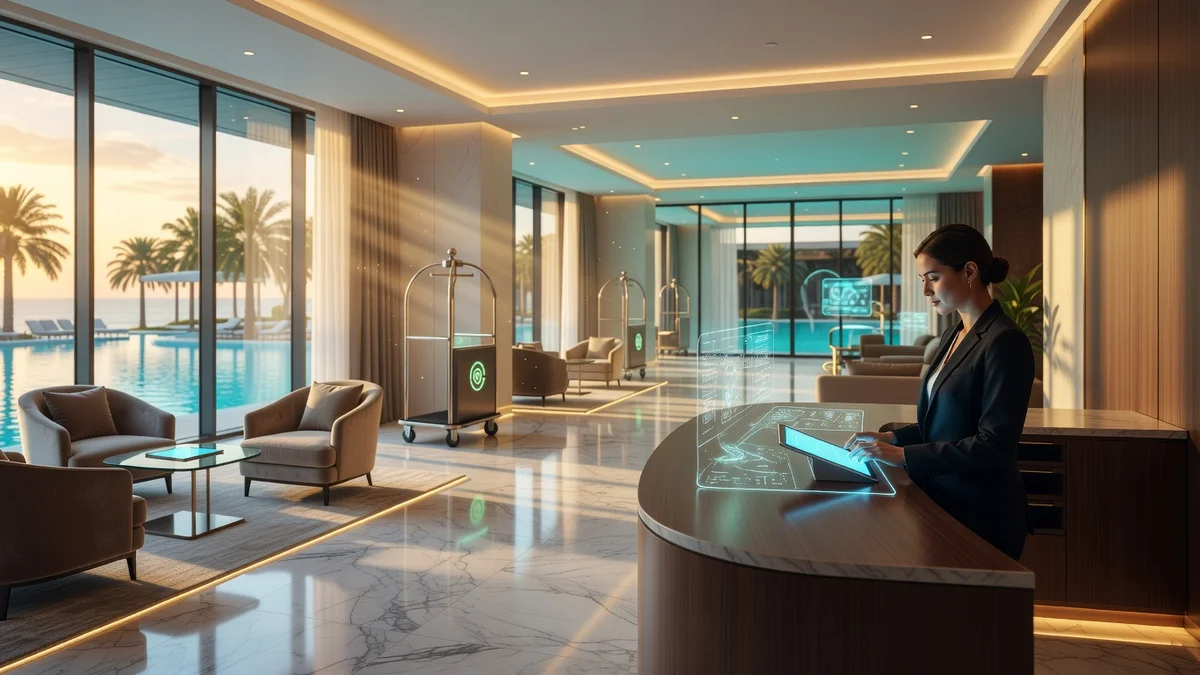
Revolutionizing Hospitality: The Rise of Hotel Booking AI
In the fast-paced world of hospitality, where every reservation counts, imagine a system that not only anticipates guest needs but also drives more bookings straight to your door—without the hefty commissions of third-party platforms. That’s the promise of hotel booking AI, a game-changer for hotel managers, campsite owners, and resort operators looking to boost their bottom line. With online travel agencies (OTAs) dominating the market, hotels lose billions in commissions annually. But what if AI could tip the scales in your favor? In this post, we’ll dive deep into how AI-powered booking systems are increasing direct reservations, backed by practical examples, actionable advice, and real-world insights. Whether you’re running a boutique hotel or a sprawling resort, harnessing hotel booking AI could be your ticket to greater revenue and guest satisfaction.

What is Hotel Booking AI?
At its core, hotel booking AI refers to artificial intelligence technologies integrated into reservation systems to automate, optimize, and personalize the booking process. Unlike traditional booking engines that rely on static forms and manual inputs, AI-driven systems use machine learning algorithms to analyze data, predict behaviors, and engage users in real-time.
Key Components of AI-Powered Booking Systems
- Chatbots and Virtual Assistants: These AI tools handle inquiries 24/7, answering questions about availability, amenities, and pricing without human intervention.
- Predictive Analytics: By crunching historical data, AI forecasts demand, adjusts pricing dynamically, and suggests personalized offers.
- Personalization Engines: AI tailors recommendations based on user behavior, such as past stays or browsing history, making the booking experience feel bespoke.
- Voice and Visual Search Integration: Guests can book via voice commands or image-based searches, appealing to tech-savvy travelers.
According to a report by McKinsey, AI adoption in hospitality could add up to $100 billion in value by 2025, with booking systems leading the charge. For hotel managers, this means shifting from reactive operations to proactive strategies that capture more direct bookings.
Benefits of AI-Powered Booking Systems for Direct Reservations
Why bother with hotel booking AI? The benefits extend far beyond convenience—they directly impact your revenue streams. Direct reservations cut out OTA fees, which can eat up 15-30% of each booking, according to Hospitality Net. Here’s how AI supercharges this:
Boosting Conversion Rates
AI analyzes user behavior in real-time. For instance, if a potential guest abandons their cart, an AI system can send a personalized email with a time-sensitive discount, recovering up to 20% of lost bookings based on industry estimates from Phocuswright.
Enhancing Guest Experience
Personalization is key. Imagine a campsite owner using AI to recommend tent sites based on a family’s previous preferences for lakeside views. This not only increases satisfaction but also encourages repeat direct bookings.
Reducing Operational Costs
Automation handles routine tasks, freeing staff for high-touch interactions. A study by Oracle Hospitality found that AI can reduce booking-related inquiries by 40%, allowing teams to focus on upselling.
“AI isn’t just about technology; it’s about creating seamless experiences that make guests choose your property over competitors.” – Hospitality Industry Expert
In practical terms, a mid-sized resort implementing hotel booking AI reported a 25% increase in direct bookings within six months, simply by integrating dynamic pricing that undercut OTA rates without sacrificing margins.
How Hotel Booking AI Increases Direct Reservations
The magic of hotel booking AI lies in its ability to funnel traffic away from OTAs and toward your own website. Let’s break down the mechanisms:
Dynamic Pricing and Revenue Management
AI algorithms adjust rates based on real-time factors like occupancy, competitor pricing, and even weather forecasts. For a hotel in a seasonal destination, this could mean hiking prices during peak demand while offering flash deals to fill gaps—driving direct bookings by making your site the most attractive option.
Actionable Advice:
- Integrate AI with your property management system (PMS) to pull live data.
- Set rules for minimum stay discounts to encourage longer bookings.
- Monitor performance with dashboards that track booking sources.
Personalized Marketing and Retargeting
AI segments guests into personas—business travelers, families, adventure seekers—and tailors campaigns accordingly. For example, a vacation rental owner might use AI to send targeted ads via email or social media, highlighting unique features like pet-friendly policies.
- Example: A boutique hotel in New York used AI to analyze booking patterns and offered “loyalty perks” to repeat visitors, resulting in a 30% uptick in direct reservations.
- Statistic: Gartner predicts that by 2025, 80% of customer interactions will involve AI, making personalization a must-have for hospitality pros.
Seamless Integration with Website and Mobile Apps
Embed AI chatbots on your site to guide users through bookings. Voice-activated systems, like those compatible with Alexa or Google Assistant, allow hands-free reservations, appealing to millennials who make up 40% of travelers, per Statista.
To implement:
- Choose AI tools that integrate with platforms like WordPress or custom hospitality CMS.
- Test user flows to ensure mobile optimization, as 50% of bookings now happen on smartphones.
By focusing on these strategies, hotel managers can see direct reservation rates climb from 20% to over 50% of total bookings, significantly boosting profitability.

Implementing Hotel Booking AI in Your Property
Ready to get started? Implementing hotel booking AI doesn’t have to be overwhelming. Here’s a step-by-step guide tailored for hospitality professionals:
Step 1: Assess Your Current System
Evaluate your existing booking engine. Ask: Does it support AI integrations? Tools like Google Analytics can reveal drop-off points in your reservation funnel.
Step 2: Choose the Right AI Solution
Look for providers specializing in hospitality. Features to prioritize:
- Scalability for properties of all sizes, from campsites to resorts.
- Compliance with data privacy laws like GDPR.
- Easy integration with CRM systems.
Step 3: Train Your Team
Even with AI, human oversight is crucial. Conduct workshops on interpreting AI insights and handling escalations.
Step 4: Launch and Optimize
Start with a pilot on your website. Track metrics like conversion rate and average booking value. Adjust based on data—for instance, if AI chatbots convert better at night, promote 24/7 availability.
Real-World Example: A chain of European campsites adopted AI-powered booking systems and saw a 35% increase in direct reservations by using predictive analytics to offer bundled experiences, like guided tours with site rentals. Challenges like initial setup costs were offset by long-term savings, with ROI achieved in under a year.
Potential Hurdles and Solutions:
- Data Privacy Concerns: Use anonymized data and transparent policies to build trust.
- Integration Issues: Partner with vendors offering plug-and-play solutions.
- Cost Barriers: Opt for subscription models starting at $100/month for small properties.
With these steps, even a small hotel can leverage hotel booking AI to compete with industry giants.
Overcoming Challenges in AI Adoption
While the upsides are clear, adopting hotel booking AI isn’t without obstacles. Many hospitality pros worry about tech complexity or guest resistance. However, data shows that 70% of travelers prefer personalized experiences, per Deloitte, making AI a worthwhile investment.
Common Challenges:
- Technical Integration: Solution: Start small with modular AI tools that bolt onto existing systems.
- Staff Training: Solution: Use user-friendly platforms with built-in tutorials.
- Measuring ROI: Solution: Set KPIs like direct booking ratio and monitor them quarterly.
By addressing these proactively, you can ensure a smooth transition and maximize the impact on direct reservations.

Conclusion: Embrace the Future of Hotel Bookings
In summary, hotel booking AI is transforming how hotels, campsites, and resorts capture direct reservations, offering tools for personalization, efficiency, and revenue growth. From dynamic pricing to AI chatbots, these systems empower you to reclaim control from OTAs and deliver exceptional guest experiences. As the hospitality industry evolves, staying ahead means adopting innovative solutions that drive real results.
If you’re ready to explore how AI can supercharge your booking process, consider Jengu’s tailored automation services for the hospitality sector. Our experts at Jengu.ai specialize in seamless integrations that boost direct reservations—contact us today to learn more and take the first step toward a smarter, more profitable operation.