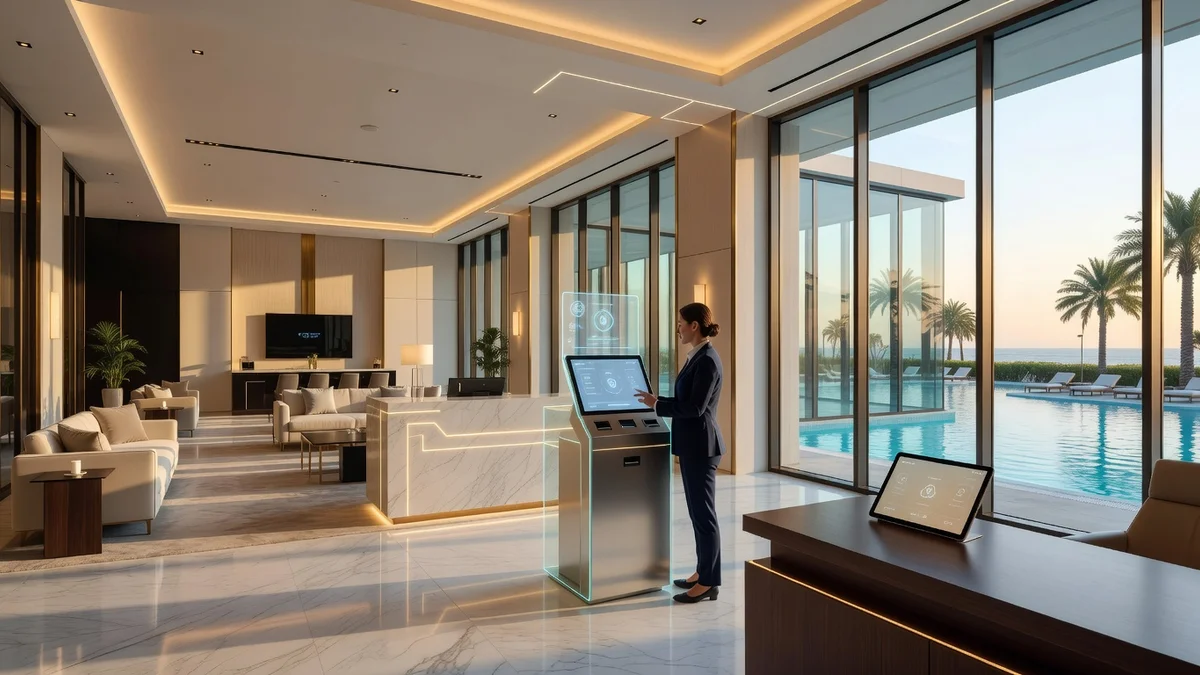
Introduction to Automated Hotel Check-In
In today’s fast-paced world, where travelers expect seamless experiences at every turn, the hospitality industry is evolving rapidly. Imagine a guest arriving at your hotel after a long flight, bypassing the front desk queue, and checking in via a sleek kiosk or their smartphone in under two minutes. This isn’t a futuristic dream—it’s the reality of automated hotel check-in systems. As a hotel manager or campsite owner, adopting these technologies can transform guest satisfaction, streamline operations, and boost your bottom line. In this complete guide, we’ll explore everything you need to know about self-service and automated check-in systems, from benefits and implementation to real-world examples. Whether you’re running a boutique resort or a bustling vacation rental, understanding automated hotel check-in could be the key to staying competitive in 2024 and beyond.

What is Automated Hotel Check-In?
At its core, automated hotel check-in refers to technology-driven processes that allow guests to complete their arrival formalities without direct staff intervention. This can range from simple mobile apps to advanced kiosks equipped with AI and facial recognition. Unlike traditional check-ins, which often involve paperwork and wait times, automated systems empower guests to handle everything from identity verification to room key issuance on their own.
Key Components of Automated Systems
Automated check-in isn’t a one-size-fits-all solution. Here’s a breakdown of the essential elements:
- Mobile Apps and Online Portals: Guests pre-check in via an app, uploading documents and selecting preferences before arrival.
- Self-Service Kiosks: Touchscreen stations in the lobby that scan IDs, process payments, and dispense keys.
- Contactless Technologies: Integration with NFC, QR codes, or biometrics for a touch-free experience.
- AI-Powered Backends: Systems that use artificial intelligence to verify information, detect fraud, and personalize recommendations.
For instance, a resort in Hawaii might use an app where guests scan their passport and receive a digital key, reducing check-in time by 50%. According to industry data from Hospitality Technology, hotels with automated systems see a 30% reduction in front desk workload, freeing staff for more personalized guest interactions.
Why It’s Gaining Popularity
The shift toward automation accelerated during the COVID-19 pandemic, with contactless options becoming a necessity. A 2023 survey by the American Hotel & Lodging Association revealed that 68% of travelers now prefer self-service check-ins for their speed and convenience. For hospitality professionals, this means adapting to meet these expectations or risking negative reviews on platforms like TripAdvisor.
Benefits of Implementing Automated Hotel Check-In
Adopting automated hotel check-in isn’t just about keeping up with trends—it’s a strategic move that delivers tangible advantages. Let’s dive into the key benefits, supported by practical examples.
Enhanced Guest Experience
Guests today crave efficiency. Automated systems eliminate long lines, allowing arrivals to feel welcomed rather than frustrated. For example, a campsite owner in the Rockies implemented kiosks that let campers check in via tablet, complete with site maps and activity suggestions. This led to a 25% increase in guest satisfaction scores.
- Speed: Check-ins that take minutes, not hours.
- Personalization: AI can suggest room upgrades based on past stays.
- Accessibility: Options for multiple languages and disabilities.
Operational Efficiency and Cost Savings
From a business perspective, automation reduces labor costs and minimizes errors. Hotels can reallocate staff to high-value tasks like concierge services. Realistic estimates suggest that mid-sized hotels save up to $50,000 annually on staffing by automating check-ins, per data from Deloitte’s hospitality reports.
Improved Security and Data Management
These systems often include robust security features, such as encrypted data handling and real-time verification. A vacation rental chain in Europe used biometric check-ins to cut identity fraud by 40%, ensuring compliance with regulations like GDPR.
“Automation isn’t about replacing people—it’s about empowering them to focus on what matters: creating memorable experiences.” – Hospitality Industry Expert
Types of Automated Check-In Systems
Choosing the right system depends on your property’s size, location, and guest demographics. Here’s a comprehensive overview.
Mobile and App-Based Check-In
Ideal for tech-savvy millennials and Gen Z travelers. Guests download your app, verify details en route, and unlock their room with a digital key. Actionable advice: Integrate with popular platforms like Apple Wallet for seamless adoption.
Kiosk-Based Systems
Perfect for high-traffic lobbies. These standalone units handle everything from payment to key encoding. For campsites, weatherproof kiosks can be placed at entrances. Example: A budget hotel chain reported a 35% drop in no-shows after installing kiosks that send automated reminders.
Integrated Smart Lock Systems
Combine check-in with door access. Systems like those from Assa Abloy allow guests to use their phone as a key. Pro tip: Test compatibility with your existing PMS (Property Management System) to avoid integration headaches.
- Pros: High security, low maintenance.
- Cons: Requires reliable Wi-Fi.
According to Statista, the global smart lock market is projected to reach $4.4 billion by 2027, driven by hospitality demand.

How to Implement Automated Hotel Check-In: A Step-by-Step Guide
Ready to make the switch? Implementing automated hotel check-in requires careful planning. Follow this actionable roadmap.
Step 1: Assess Your Needs
Evaluate your current check-in process. Survey guests and staff to identify pain points. For a small resort, start with mobile options; larger hotels might need kiosks.
Step 2: Choose the Right Technology
Research vendors like Oracle Hospitality or Cloudbeds. Look for scalability and integration with your CRM. Budget tip: Entry-level systems start at $5,000, with ROI in under a year.
Step 3: Train Staff and Test Thoroughly
Don’t overlook the human element. Train your team on troubleshooting. Run pilot tests during low season to iron out issues.
Step 4: Launch and Monitor
Roll out with clear signage and tutorials. Use analytics to track usage—aim for 50% adoption in the first month. Example: A boutique hotel in New York saw 80% of guests opting for automated check-in after targeted email campaigns.
Numbered list for smooth rollout:
- Integrate with existing software.
- Ensure data privacy compliance.
- Gather feedback via post-stay surveys.
- Scale based on performance metrics.
Potential challenges include tech glitches or resistance from older guests. Mitigate by offering hybrid options, like assisted kiosks.
Challenges and Solutions in Automated Check-In
While the benefits are clear, implementation isn’t without hurdles. Common issues include:
- Technical Reliability: Downtime can frustrate guests. Solution: Invest in redundant systems and 24/7 support.
- Guest Adoption: Not everyone is tech-comfortable. Actionable advice: Provide on-site assistance and incentives, like discounts for first-time users.
- Integration Costs: Linking to legacy systems can be pricey. Start small and expand.
Data from PwC indicates that 45% of hotels face integration challenges, but those who overcome them report 20% higher efficiency.
Future Trends in Automated Hotel Check-In
The future is bright—and automated. Emerging trends include:
- AI and Machine Learning: Predictive analytics for personalized check-ins.
- Voice-Activated Systems: Integration with Alexa or Google Assistant.
- Sustainability Focus: Eco-friendly kiosks powered by solar energy for campsites.
By 2025, experts predict that 75% of hotels will have fully automated check-ins, per McKinsey reports. Staying ahead means exploring partnerships with AI innovators.

Conclusion: Elevate Your Hospitality Game with Automation
In summary, automated hotel check-in systems are revolutionizing the way hotels, campsites, and resorts operate, offering speed, efficiency, and enhanced guest experiences. By understanding the types, benefits, and implementation steps, you can position your property as a leader in modern hospitality. Remember, the goal is to blend technology with the human touch that makes your venue unique.
If you’re ready to explore how AI automation can streamline your check-in processes and beyond, consider Jengu (jengu.ai). Our specialized solutions for the hospitality industry help you implement seamless, customized automated systems that drive real results. Contact us today to learn more and take the first step toward a smarter, more efficient operation.