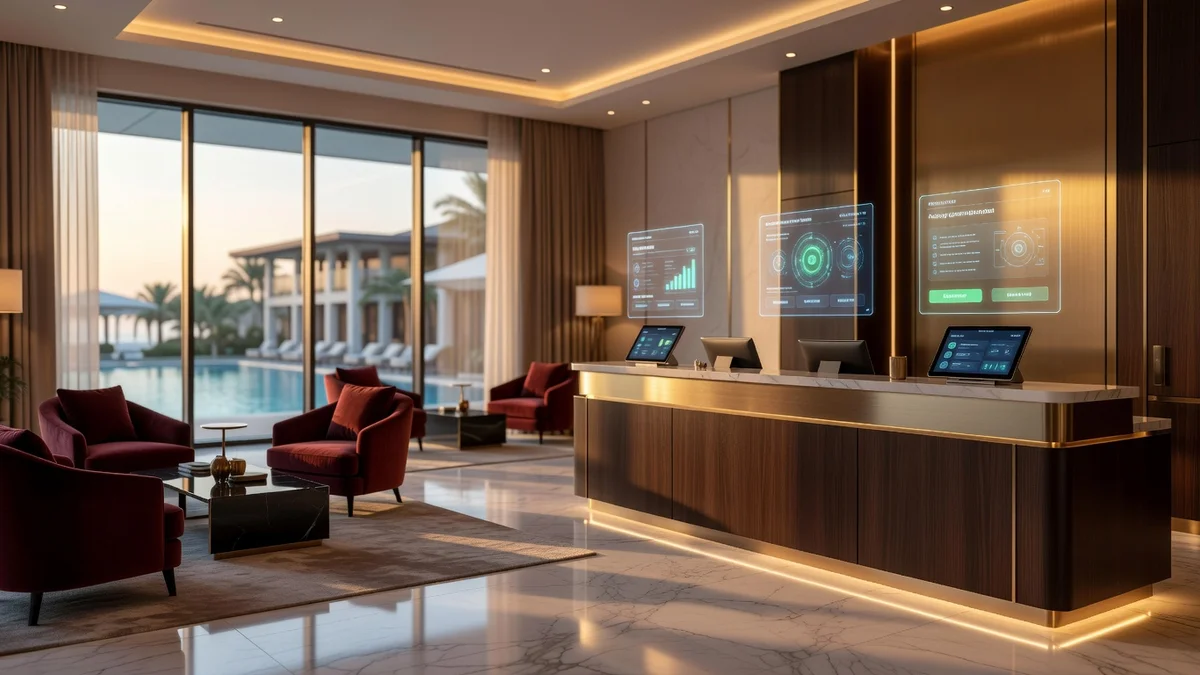
In the competitive world of hospitality, where occupancy rates fluctuate and guest expectations soar, hotel managers are constantly seeking innovative ways to boost revenue without compromising the guest experience. Imagine checking into a luxurious resort, and instead of a standard room, you’re seamlessly offered a suite upgrade with a personalized spa package—all powered by intelligent technology that anticipates your preferences. This isn’t a futuristic dream; it’s the reality of AI upselling hotels are embracing today. With the global hotel industry projected to reach $570 billion by 2027 (according to Statista), leveraging AI for upselling can be the game-changer that increases your average revenue per available room (RevPAR) by up to 20%. In this post, we’ll dive into AI-powered upselling strategies that deliver real results for hotels, campsites, resorts, and vacation rentals. Whether you’re a seasoned hotelier or a campsite owner looking to maximize bookings, these insights will equip you with actionable tools to elevate your revenue streams.

Understanding AI Upselling in Hotels
AI upselling refers to the use of artificial intelligence to identify and promote additional services or upgrades to guests, tailored to their behaviors, preferences, and booking data. Unlike traditional upselling, which relies on front-desk staff intuition, AI analyzes vast amounts of data in real-time to make personalized recommendations that feel intuitive and non-intrusive.
For instance, AI systems can process guest history, online reviews, and even social media signals to suggest relevant add-ons. In the context of AI upselling hotels, this means transforming a basic room booking into a premium experience with extras like late check-out, breakfast packages, or adventure tours for campsite visitors.
Why does this matter? A study by McKinsey estimates that personalized recommendations can increase sales by 10-30% in retail-like scenarios, and hospitality is no exception. For hotel managers, AI bridges the gap between guest satisfaction and revenue growth, ensuring upsells align with what guests truly want.
The Evolution from Traditional to AI-Driven Upselling
Traditional upselling often involves scripted pitches at check-in, which can feel pushy and yield inconsistent results. AI, however, evolves this by using machine learning algorithms to predict guest needs. For example, if a guest frequently books family rooms, the system might upsell child-friendly amenities like cribs or kids’ club access.
In resorts or vacation rentals, AI can analyze weather data to suggest indoor spa days during rainy forecasts, turning potential cancellations into revenue opportunities.
Benefits of AI-Powered Upselling for Hospitality Businesses
Implementing AI upselling hotels isn’t just about tech—it’s about tangible gains. Here are some key benefits backed by data:
-
Increased Revenue Per Guest: Hotels using AI personalization see an average 15% uplift in ancillary revenue, per a Deloitte report on digital transformation in travel.
-
Enhanced Guest Satisfaction: Personalized offers make guests feel valued, leading to higher Net Promoter Scores (NPS). One chain reported a 25% NPS increase after AI integration.
-
Operational Efficiency: AI automates upsell suggestions, freeing staff to focus on service. Campsite owners, for example, can use AI chatbots to upsell tent upgrades or guided hikes without manual intervention.
-
Data-Driven Insights: AI provides analytics on what upsells work best, helping managers refine offerings. Imagine knowing that 40% of your millennial guests opt for eco-friendly add-ons—AI makes this intel actionable.
These benefits extend to all hospitality sectors. A vacation rental owner might use AI to upsell premium linens or local experiences, while a resort could bundle room upgrades with dining credits.
Key AI Upselling Strategies to Boost Hotel Revenue
To harness AI upselling hotels effectively, focus on strategies that blend technology with hospitality’s human touch. Below, we’ll explore proven tactics with practical examples.
Personalized Email and App Notifications
Send targeted upsell offers via email or mobile apps before arrival. AI analyzes booking data to customize these— for a business traveler, suggest a workspace upgrade; for a couple, a romantic dinner package.
Actionable Advice:
- Use AI tools to segment guests by demographics (e.g., families vs. solo travelers).
- Time notifications strategically: 48 hours before check-in yields a 20% higher conversion rate, based on industry benchmarks.
- Example: A campsite could email campers about upgrading to a glamping site with fire pits, increasing revenue by 18% per booking.
Real-Time Chatbots and Virtual Assistants
Deploy AI chatbots on your website or app for instant upsell interactions. These bots engage guests during booking, suggesting add-ons based on queries.
Practical Example: If a guest asks about pool access, the chatbot could upsell a cabana rental. In one hotel case, this strategy boosted upsell revenue by 12% within the first quarter.
- Tips for Implementation:
- Train the AI on common guest questions.
- Integrate with your PMS (Property Management System) for seamless data flow.
- Monitor chatbot performance and refine responses weekly.
Dynamic Pricing and Room Upgrades
AI can adjust upsell prices in real-time based on demand, occupancy, and guest profiles. For low-occupancy nights, offer discounted upgrades to fill premium rooms.
Data Point: According to Hospitality Net, dynamic pricing powered by AI can increase RevPAR by 10-15%.
- Actionable Steps:
- Analyze historical data to predict slow periods.
- Personalize offers: Upsell ocean-view rooms to repeat guests who’ve shown interest in views.
- For resorts: Bundle upgrades with activities like snorkeling, turning a $200 room into a $350 package.
Predictive Analytics for Ancillary Services
Use AI to predict what guests might want next. By examining past behaviors, the system can recommend spa treatments, tours, or dining.
Example for Campsite Owners: If weather forecasts predict clear skies, AI could upsell stargazing tours, adding $50 per guest on average.
- Benefits List:
- Reduces no-shows by confirming interests early.
- Increases cross-selling: Pair room upsells with F&B options for a 22% revenue bump (estimated from similar retail AI applications).
- Tracks success: Use dashboards to measure upsell acceptance rates.

Implementing AI Upselling: A Step-by-Step Guide
Ready to get started with AI upselling hotels? Follow this practical roadmap tailored for hospitality professionals.
-
Assess Your Current Setup: Audit your tech stack. Do you have a CRM or PMS that integrates with AI? If not, start with affordable tools like chatbots from providers integrated with Jengu.
-
Choose the Right AI Tools: Look for platforms specializing in hospitality AI. Features to prioritize include data privacy compliance (GDPR/CCPA) and easy integration.
-
Train Your Team: Educate staff on AI outputs. Role-play scenarios where they build on AI suggestions for a personal touch.
-
Test and Iterate: Launch a pilot in one property. Track metrics like upsell conversion (aim for 15-25%) and guest feedback.
-
Scale and Optimize: Expand based on results, using AI analytics to refine strategies.
Potential Challenge: Data silos. Solution: Integrate systems for a unified view, ensuring AI has access to all guest touchpoints.
A real-world example: A mid-sized hotel chain implemented AI upselling and saw a 17% revenue increase in six months, per their internal reports.
Overcoming Common Challenges in AI Upselling
While powerful, AI upselling isn’t without hurdles. Privacy concerns top the list—guests worry about data usage. Address this by being transparent: Include opt-in options and clear privacy policies.
Another issue: Over-reliance on tech can depersonalize service. Balance it by training staff to use AI as a tool, not a replacement.
Statistic: Only 30% of hotels currently use AI for personalization, leaving room for early adopters to gain a competitive edge (Hospitality Technology survey).
For campsite and resort owners, seasonal fluctuations can skew AI predictions. Counter this with hybrid models incorporating manual overrides during peak times.
“AI doesn’t replace hospitality; it enhances it, allowing us to focus on what matters: creating memorable experiences.” – Anonymous Hotel Manager
Measuring Success and Future Trends
Track KPIs like upsell revenue percentage, average transaction value, and guest retention rates. Tools with built-in analytics make this straightforward.
Looking ahead, trends like voice-activated AI (e.g., smart room assistants) and VR previews for upsells will further revolutionize AI upselling hotels. By 2025, AI is expected to drive 35% of hospitality revenue growth, according to PwC.

Conclusion: Elevate Your Revenue with AI Upselling
In summary, AI upselling hotels offers a proven path to increasing revenue while delighting guests through personalization and efficiency. From dynamic pricing to predictive analytics, these strategies can transform your operations, whether you’re managing a boutique hotel, a sprawling resort, or a cozy campsite. By implementing the tactics outlined here, you could see revenue boosts of 15-25%, all while fostering loyalty.
If you’re ready to integrate cutting-edge AI solutions tailored for hospitality, consider partnering with Jengu. Our AI automation tools specialize in upselling, personalization, and revenue optimization—helping you stay ahead in a competitive market. Visit jengu.ai today to learn how we can customize a strategy for your property. What’s one upsell idea you’ll try first?