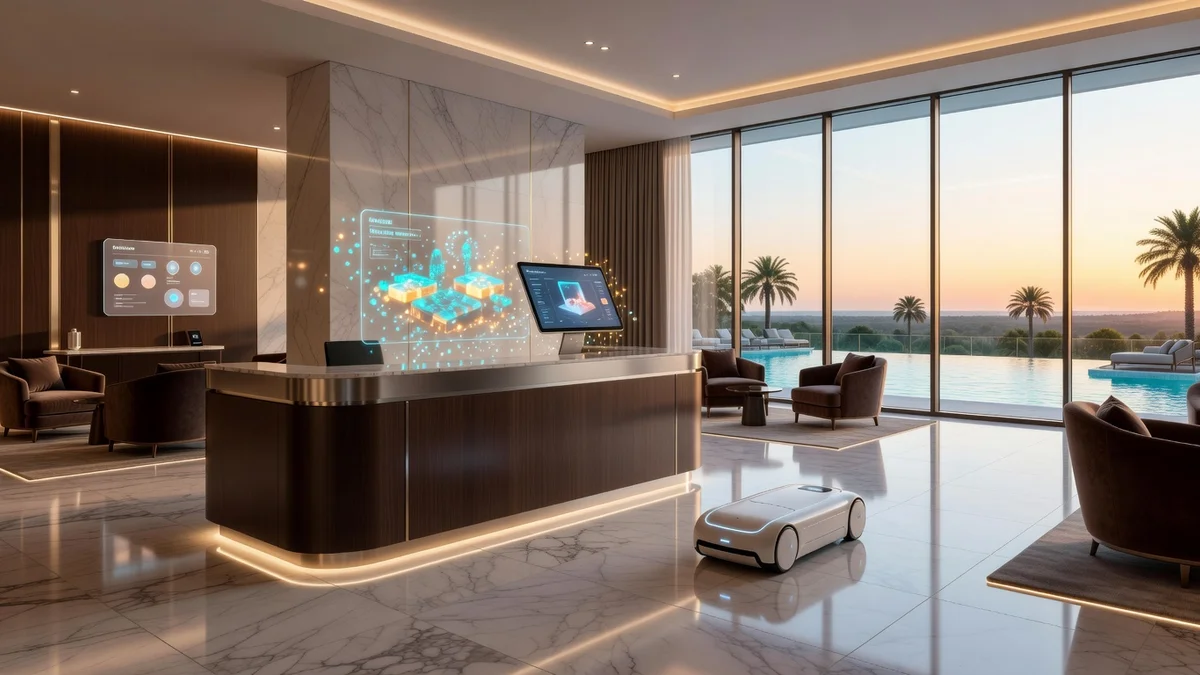
Revolutionizing Hospitality: The Rise of AI Housekeeping Management
Imagine walking into a hotel room that’s impeccably clean, with fresh linens and personalized touches, all orchestrated without a single scheduling hiccup. For hotel managers and resort owners, this isn’t just a dream—it’s the reality powered by AI housekeeping management. In an industry where guest satisfaction hinges on spotless environments and efficient operations, embracing artificial intelligence can be a game-changer. But what exactly does AI bring to the table for housekeeping? In this post, we’ll dive deep into how AI housekeeping management is transforming hotels, campsites, and resorts, offering practical insights and actionable strategies to help you stay ahead.

What is AI Housekeeping Management?
At its core, AI housekeeping management refers to the integration of artificial intelligence tools into the daily operations of cleaning and maintenance in hospitality settings. This isn’t about robots taking over—though automated vacuums are part of it—but rather smart systems that predict, optimize, and automate tasks to ensure rooms are ready faster and with fewer errors.
Think of it as a digital brain for your housekeeping team. AI algorithms analyze data from various sources, like occupancy sensors, guest check-out times, and even weather patterns that might affect room turnover. For instance, in a bustling resort, AI can forecast high-traffic days and allocate staff accordingly, preventing bottlenecks.
Key Components of AI Systems
-
Predictive Analytics: Uses historical data to anticipate cleaning needs. For example, if data shows that beachfront rooms at your resort accumulate more sand during summer, AI can schedule deeper cleans proactively.
-
Automation Tools: From robotic cleaners to app-based checklists that guide staff through tasks, reducing manual errors.
-
Integration with PMS: AI housekeeping management often syncs with Property Management Systems (PMS) to automate room status updates in real-time.
According to industry reports, hotels adopting AI technologies have seen a 25% improvement in operational efficiency. This is backed by data from the American Hotel & Lodging Association, which estimates that AI could save the sector up to $10 billion annually in labor and resource costs by 2025.
Benefits of AI in Housekeeping for Hotels and Resorts
Implementing AI housekeeping management isn’t just a tech upgrade—it’s a strategic move that delivers tangible benefits. Let’s break down how it can elevate your operations.
Enhanced Efficiency and Cost Savings
One of the biggest wins is streamlining workflows. Traditional housekeeping relies on manual scheduling, which can lead to overstaffing or delays. AI, however, optimizes shifts based on real-time data. For a mid-sized hotel with 200 rooms, this could mean reducing housekeeping labor hours by 15-20%, translating to significant savings—potentially $50,000 or more per year, based on average wage estimates.
Actionable advice: Start by auditing your current processes. Use AI tools to track room turnover times and identify patterns, then adjust staffing dynamically.
Improved Guest Satisfaction
Guests notice the details. AI ensures rooms are cleaned to perfection by prioritizing high-touch areas like bathrooms and bedding. In resorts, where outdoor activities might track in dirt, AI can trigger immediate spot cleans.
A study by Deloitte found that 60% of travelers rate cleanliness as their top priority, and AI helps maintain consistency. For campsite owners, AI can even monitor communal areas like restrooms, alerting staff to restock supplies before guests complain.
Sustainability and Resource Management
AI promotes eco-friendly practices by minimizing waste. For example, predictive models can reduce unnecessary linen changes by analyzing guest stay patterns—saving water and energy. Resorts aiming for green certifications can leverage this to cut utility bills by up to 10%.
- Tip: Integrate AI with smart sensors to monitor water usage during cleans, ensuring your team follows sustainable protocols.

How AI Transforms Daily Housekeeping Operations
Let’s get practical. How does AI housekeeping management play out in real scenarios for hotels, campsites, and vacation rentals?
Real-Time Scheduling and Task Allocation
Gone are the days of static checklists. AI platforms assign tasks based on urgency and staff availability. Imagine a hotel manager receiving an alert: “Room 405 needs priority cleaning due to early check-in.” This is powered by machine learning that learns from past data.
For campsite owners, AI can manage variable factors like weather—scheduling tent cleanings after rainstorms to prevent mold.
Actionable steps to implement:
- Choose an AI tool that integrates with your existing software.
- Train staff on the system—start with a pilot in one wing of your hotel.
- Monitor metrics like average clean time, aiming for a 10-15% reduction within the first quarter.
Predictive Maintenance and Inventory Control
AI doesn’t just clean; it prevents issues. Sensors detect when amenities like air filters need replacing, avoiding guest complaints about musty rooms. In resorts, this extends to poolside cabanas, ensuring they’re always guest-ready.
Statistics show that predictive maintenance can reduce downtime by 30%, per a McKinsey report on AI in operations. For inventory, AI tracks supplies like toiletries, automatically reordering to prevent shortages—crucial for remote campsites where deliveries are infrequent.
Personalization Through Data Insights
AI analyzes guest preferences from previous stays. If a repeat visitor prefers hypoallergenic pillows, the system flags it for housekeeping. This level of detail boosts loyalty; data from Hospitality Net indicates that personalized experiences increase repeat bookings by 20%.
Example: A luxury resort uses AI to customize room setups, like adding extra towels for families, based on booking data.
“AI isn’t replacing human touch—it’s enhancing it, allowing staff to focus on what matters: creating memorable stays.” – Hospitality Industry Expert
Overcoming Challenges in Adopting AI Housekeeping Management
No transformation is without hurdles. Common concerns include high initial costs and staff resistance. However, with the right approach, these can be mitigated.
Addressing Implementation Barriers
Budget constraints? Start small with cloud-based AI solutions that scale. Training is key—offer workshops to show how AI reduces workload, not jobs. For instance, a resort chain reported a 40% drop in staff turnover after AI implementation, as it alleviated burnout.
Ensuring Data Privacy and Security
With AI handling guest data, compliance with regulations like GDPR is essential. Choose vendors with robust security features.
Practical advice: Conduct regular audits and use anonymized data for predictions to build trust.
Measuring ROI
Track key performance indicators (KPIs) like cost per clean, guest satisfaction scores (e.g., via Net Promoter Score), and energy savings. Tools like dashboards in AI systems make this easy.
In one case study, a 150-room hotel in Florida adopted AI housekeeping management and saw a 22% increase in positive reviews related to cleanliness within six months.

Future Trends in AI for Hospitality Housekeeping
Looking ahead, AI housekeeping management is evolving rapidly. Expect advancements like AI-driven drones for outdoor resort inspections or voice-activated assistants for staff. Integration with IoT devices will make systems even smarter, predicting issues before they arise.
For campsite owners, AI could optimize seasonal maintenance, like preparing sites for winter storage. Industry forecasts predict that by 2030, 70% of hotels will use AI for operations, per Statista data.
To stay competitive, hospitality professionals should explore partnerships with AI specialists who understand the sector’s unique needs.
Conclusion: Elevate Your Operations with AI Today
AI housekeeping management is more than a buzzword—it’s a proven strategy for boosting efficiency, delighting guests, and cutting costs in hotels, resorts, and campsites. By embracing these technologies, you can transform routine tasks into streamlined processes that free up your team for what they do best: providing exceptional hospitality.
Ready to take the next step? At Jengu, we specialize in AI automation tailored for the hospitality industry. Our solutions help you implement seamless AI housekeeping management, from predictive scheduling to personalized guest experiences. Contact us today to discover how we can optimize your operations and drive real results. Let’s build a cleaner, smarter future for your property.