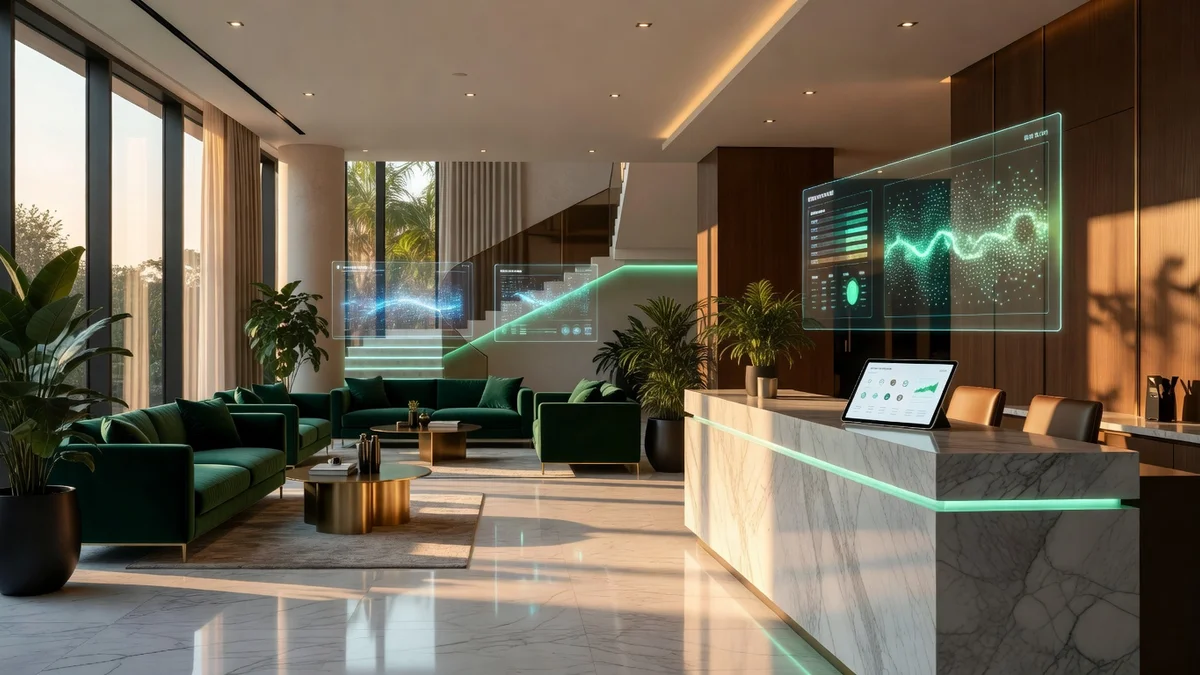
The Hidden Cost of Hotel Downtime: How Predictive Maintenance Can Save the Day
Imagine this: It’s peak season at your bustling hotel, guests are checking in left and right, and suddenly, the HVAC system grinds to a halt. Rooms turn into saunas, complaints flood the front desk, and you’re scrambling to call in emergency repairs. Not only does this disrupt guest experiences, but it also eats into your profits with unexpected costs and lost revenue. What if you could predict and prevent these failures before they happen? Enter predictive maintenance with AI, a game-changer for hospitality professionals. In this post, we’ll explore how predictive maintenance hotels can leverage to avoid equipment breakdowns, drawing on real-world examples and actionable strategies tailored for hotel managers, campsite owners, and resort operators.

What is Predictive Maintenance?
Predictive maintenance is a proactive approach to equipment upkeep that uses data and technology to forecast when machinery might fail, allowing you to intervene before disaster strikes. Unlike traditional reactive maintenance—where you fix things only after they break—or preventive maintenance, which follows a fixed schedule, predictive maintenance relies on real-time insights to optimize timing and resources.
In the context of predictive maintenance hotels, this means monitoring key assets like elevators, kitchen appliances, laundry systems, and even pool pumps at campsites or resorts. According to a report by McKinsey, predictive maintenance can reduce machine downtime by up to 50% and increase equipment lifespan by 20-40%. For hospitality businesses, where every minute of operation counts, these stats translate to smoother operations and happier guests.
Key Components of Predictive Maintenance
To understand how it works, let’s break it down:
- Sensors and IoT Devices: These collect data on vibration, temperature, and performance metrics from equipment.
- Data Analytics: AI algorithms process this data to detect patterns and anomalies.
- Predictive Algorithms: Machine learning models forecast failures based on historical and real-time data.
For instance, a hotel’s boiler system might show subtle increases in energy consumption—a red flag that AI can spot days or weeks before a breakdown.
Benefits of Predictive Maintenance in Hotels
Implementing predictive maintenance hotels isn’t just about avoiding crises; it’s about transforming your operations for long-term success. Here are some standout advantages:
- Cost Savings: Reactive repairs can cost 3-9 times more than planned maintenance, per the U.S. Department of Energy. Predictive methods minimize emergency fixes and extend equipment life.
- Improved Guest Satisfaction: No one wants a cold shower or a malfunctioning air conditioner. By preventing issues, you maintain high standards, potentially boosting reviews and repeat business.
- Operational Efficiency: For campsite owners, this could mean ensuring RV hookups and communal facilities run without a hitch, reducing staff workload on manual checks.
- Sustainability Gains: Optimized equipment uses less energy, aligning with eco-friendly practices that appeal to modern travelers. Hotels using predictive maintenance report up to 15% reductions in energy waste.
Consider a mid-sized resort where AI-driven predictive maintenance flagged a failing water heater. By addressing it proactively, they avoided a weekend shutdown that could have cost $10,000 in lost bookings and refunds.
“Predictive maintenance isn’t a luxury—it’s a necessity for staying competitive in hospitality.” – Industry Expert
How AI Powers Predictive Maintenance
At the heart of effective predictive maintenance hotels is artificial intelligence. AI doesn’t just collect data; it learns from it, making increasingly accurate predictions over time.
AI Technologies in Action
- Machine Learning Models: These analyze vast datasets to predict failures. For example, an AI system might learn that unusual vibrations in an elevator motor precede breakdowns 80% of the time.
- Real-Time Monitoring: Cloud-based AI platforms provide dashboards where managers can view alerts on their smartphones, enabling quick decisions.
- Integration with Existing Systems: AI can sync with your property management software (PMS) to correlate equipment data with occupancy rates, prioritizing maintenance during low seasons.
A practical example: At a vacation rental property, AI sensors on HVAC units detected early signs of refrigerant leaks. The system alerted staff via app notifications, allowing a simple recharge instead of a full replacement, saving thousands.
Actionable Advice for Getting Started
Ready to harness AI? Here’s a step-by-step guide:
- Assess Your Assets: Inventory critical equipment and identify high-risk items like generators at remote campsites.
- Choose the Right Tools: Look for AI platforms that integrate seamlessly with IoT sensors. Start small with one system, like kitchen appliances, to test ROI.
- Train Your Team: Provide basic training on interpreting AI alerts—no need for data scientists; user-friendly interfaces make it accessible.
- Monitor and Iterate: Track metrics like mean time between failures (MTBF) and adjust based on results.
Statistics show that hotels adopting AI for predictive maintenance see a 20-30% drop in unplanned downtime, according to Deloitte insights.

Implementing Predictive Maintenance in Your Hospitality Business
Transitioning to predictive maintenance hotels requires strategy, but the payoff is immense. Let’s dive into practical implementation.
Selecting Equipment for Monitoring
Focus on high-impact areas:
- HVAC Systems: Crucial for guest comfort; failures can lead to mass complaints.
- Kitchen and Laundry Equipment: Downtime here disrupts food service and housekeeping.
- Outdoor Amenities: For resorts and campsites, monitor pools, lighting, and irrigation to prevent seasonal issues.
A campsite owner might use AI to predict when septic systems need servicing, avoiding overflows during busy weekends.
Overcoming Common Challenges
No system is perfect. Here’s how to tackle hurdles:
- Initial Costs: Sensors and software can be pricey, but ROI often hits within 6-12 months. Start with budget-friendly options like wireless IoT kits.
- Data Privacy: Ensure compliance with regulations like GDPR by choosing secure AI providers.
- Integration Issues: Partner with vendors experienced in hospitality to avoid compatibility problems.
Realistic estimate: A 100-room hotel investing $20,000 in predictive maintenance tech could save $50,000 annually in repair costs.
Case Studies: Real-World Success
- Luxury Resort Chain: A major player implemented AI for elevator maintenance, reducing failures by 40% and improving guest satisfaction scores by 15%.
- Boutique Hotel: By monitoring refrigeration units, they prevented food spoilage incidents, saving $8,000 in inventory losses per year.
- Campsite Operation: AI predicted generator failures during storms, ensuring uninterrupted power and earning rave reviews from RV enthusiasts.
These examples highlight how predictive maintenance hotels and similar properties can turn potential disasters into seamless operations.
Challenges and Solutions in Predictive Maintenance
While the benefits are clear, challenges exist. Data overload can overwhelm teams, but AI’s automation handles this by prioritizing alerts. Another issue is resistance to change—staff might fear job loss, but emphasize how it frees them for guest-facing roles.
Solutions include:
- Pilot Programs: Test in one department to build buy-in.
- Vendor Support: Choose partners offering ongoing training and customization.
- Scalability: As your business grows, AI systems can expand effortlessly.
With 70% of hospitality leaders planning AI investments in the next two years (per Hospitality Technology), now’s the time to act.

Conclusion: Future-Proof Your Hospitality Operations
In the fast-paced world of hospitality, predictive maintenance hotels represents a shift from reactive fixes to intelligent foresight. By leveraging AI, you can prevent equipment failures, cut costs, and elevate guest experiences—whether you’re managing a high-end resort, a cozy campsite, or a chain of vacation rentals. The data doesn’t lie: businesses embracing this technology are seeing reduced downtime, happier guests, and stronger bottom lines.
If you’re ready to explore how AI can transform your maintenance strategy, consider Jengu (jengu.ai). Our AI automation solutions specialize in the hospitality industry, helping you implement predictive maintenance tailored to your needs. Contact us today to schedule a demo and take the first step toward a failure-free future.