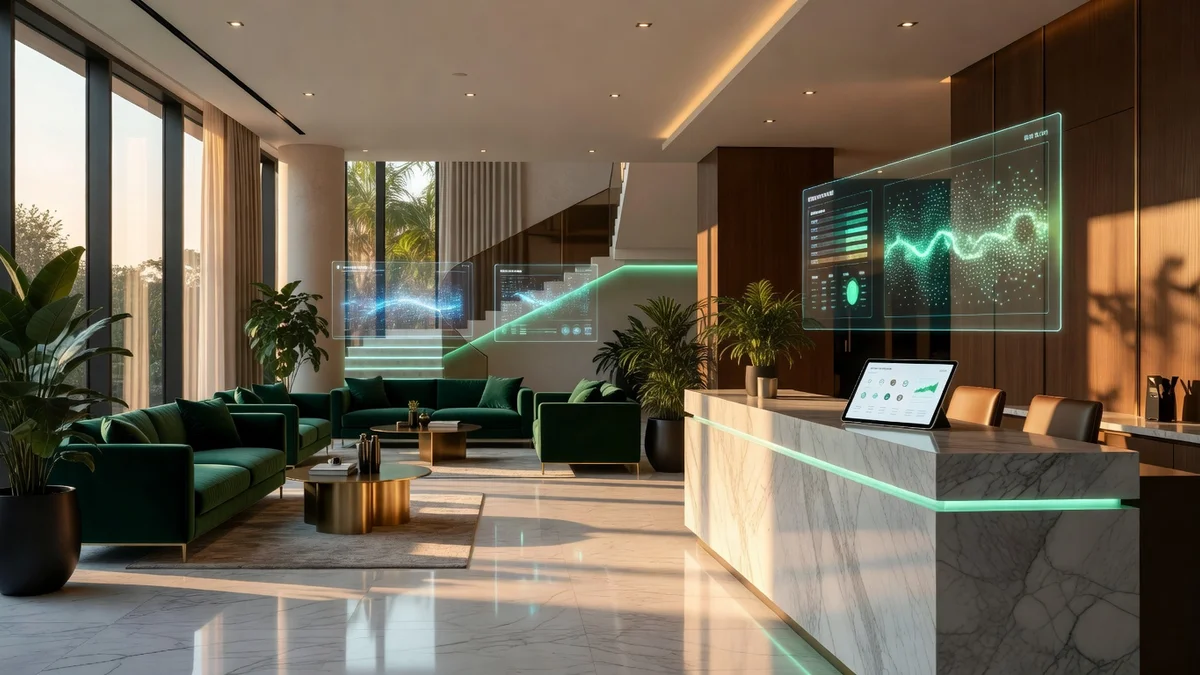
Imagine this: It’s peak season at your bustling hotel, guests are checking in left and right, and suddenly, the HVAC system grinds to a halt. Chaos ensues—rooms get stuffy, complaints pile up, and your team scrambles for an emergency fix. What if you could predict that failure weeks in advance and prevent it altogether? That’s the power of predictive maintenance with AI, a game-changer for hospitality professionals looking to keep operations smooth and guests happy. In this post, we’ll dive into how predictive maintenance hotels can transform your property, from preventing costly breakdowns to boosting efficiency.
Understanding Predictive Maintenance in Hospitality
Predictive maintenance isn’t just a buzzword—it’s a proactive strategy that uses data and technology to foresee equipment issues before they become full-blown problems. Unlike traditional reactive maintenance (fixing things after they break) or preventive maintenance (scheduled check-ups regardless of need), predictive maintenance relies on real-time insights to anticipate failures.
In the context of hotels, campsites, and resorts, this means monitoring everything from elevators and kitchen appliances to pool pumps and generators. By integrating AI, you can analyze patterns in equipment performance, usage, and environmental factors to predict when something might go wrong.
The Role of AI in Predictive Maintenance
AI takes predictive maintenance hotels to the next level by processing vast amounts of data that humans simply can’t handle manually. Machine learning algorithms learn from historical data, sensor readings, and even weather patterns to identify anomalies.
For instance, AI can detect subtle vibrations in an air conditioning unit that signal impending bearing failure, or monitor energy consumption spikes in a boiler that hint at inefficiency. According to a report by McKinsey, industries adopting predictive maintenance see up to a 10x return on investment through reduced downtime and extended equipment life—stats that translate directly to hospitality, where unplanned outages can cost hotels an estimated $10,000 per hour in lost revenue and repairs.

Key Benefits of Predictive Maintenance for Hotels
Implementing predictive maintenance hotels offers a host of advantages that go beyond just avoiding breakdowns. Let’s break down some of the most impactful ones for hotel managers and campsite owners.
-
Minimized Downtime and Guest Disruptions: By predicting failures, you can schedule repairs during off-peak hours, ensuring rooms stay comfortable and amenities remain available. A study from Deloitte estimates that predictive maintenance can reduce downtime by 30-50%, which is crucial for maintaining high occupancy rates.
-
Cost Savings on Repairs and Energy: Reactive fixes are often expensive emergencies. Predictive approaches allow for targeted interventions, potentially cutting maintenance costs by 20-25%, as per PwC data. Plus, AI can optimize energy use, lowering utility bills in energy-hungry areas like HVAC systems.
-
Extended Equipment Lifespan: Regular monitoring catches issues early, preventing wear and tear from escalating. This means your investments in high-end kitchen gear or resort generators last longer, improving your bottom line.
-
Enhanced Safety and Compliance: In hospitality, safety is paramount. Predictive maintenance can flag risks like faulty electrical systems or overheating appliances, helping you stay ahead of regulations and avoid liability.
-
Data-Driven Decision Making: AI provides actionable insights, such as usage trends that inform purchasing decisions. For example, if data shows a particular fridge model fails frequently, you can switch suppliers proactively.
Real-world impact? Consider a mid-sized resort that adopted AI-driven predictive maintenance for its pool filtration system. By monitoring water flow and chemical levels in real-time, they prevented a major pump failure during a busy weekend, saving thousands in emergency repairs and keeping guests splashing happily.
How to Implement Predictive Maintenance in Your Hotel
Ready to bring predictive maintenance hotels into your operation? It’s more accessible than you might think, especially with user-friendly AI tools designed for hospitality. Here’s a step-by-step guide to get started.
Step 1: Assess Your Current Setup
Begin by auditing your equipment. Identify critical assets that, if they fail, would disrupt operations the most—think elevators, boilers, or refrigeration units in your kitchen.
- Make a list of all major systems.
- Evaluate their current maintenance schedules and failure history.
- Gather baseline data on usage, age, and performance.
Step 2: Choose the Right Technology
Invest in IoT sensors and AI platforms that integrate seamlessly. Look for solutions that offer:
- Real-time monitoring via sensors attached to equipment.
- Cloud-based analytics for easy access from any device.
- Customizable alerts sent to your maintenance team’s phones or dashboards.
For campsites, portable sensors on generators or water systems can be game-changers, especially in remote locations.
Step 3: Collect and Analyze Data
Once sensors are in place, let the AI do its magic. Feed it historical data to train models. Over time, it will predict issues with increasing accuracy.
- Start small: Pilot the system on one area, like HVAC, before scaling.
- Use dashboards to visualize trends, such as temperature fluctuations that precede failures.
Step 4: Train Your Team and Integrate Workflows
Actionable advice: Don’t just install tech—empower your staff. Provide training on interpreting AI alerts and performing predictive checks.
- Set up automated work orders that trigger when an anomaly is detected.
- Integrate with your property management system for holistic oversight.
Step 5: Monitor, Refine, and Scale
Track metrics like mean time between failures (MTBF) and adjust as needed. A realistic estimate: Within six months, you could see a 15-20% drop in unplanned maintenance calls.
For a practical example, a boutique hotel in a coastal area used AI to monitor its air conditioning units. Sensors detected humidity-related corrosion early, allowing for a simple sealant application instead of a full replacement—saving over $5,000 per unit.

Real-World Examples and Case Studies
Let’s look at how predictive maintenance hotels is making waves in the industry.
In one case, a large chain hotel implemented AI for its elevators. By analyzing motor vibrations and usage patterns, the system predicted a cable wear issue two weeks in advance. The repair was scheduled overnight, avoiding any guest inconvenience and complying with safety standards.
For campsite owners, consider a glamping resort that used predictive maintenance on its solar-powered systems. AI monitored battery health and weather data to forecast failures, ensuring lights and charging stations stayed operational during peak camping seasons. This not only prevented blackouts but also optimized energy storage, reducing reliance on backups by 40%.
Another example: A vacation rental company applied AI to kitchen appliances across properties. Data showed that certain dishwasher models overheated after heavy use. By swapping them out preemptively, they cut repair costs by 25% and improved renter satisfaction scores.
These stories highlight that whether you’re managing a high-rise hotel or a rustic campsite, predictive maintenance can be tailored to your needs.
Overcoming Common Challenges
No solution is without hurdles, but they’re manageable.
- High Initial Costs: Start with affordable, scalable AI platforms. Many offer subscription models under $500/month for small properties.
- Data Privacy Concerns: Choose vendors with robust security to protect guest and operational data.
- Integration Issues: Work with providers experienced in hospitality to ensure compatibility with existing systems.
- Staff Resistance: Involve your team early and demonstrate quick wins to build buy-in.
By addressing these, you’ll unlock the full potential of predictive maintenance hotels.

Conclusion: Future-Proof Your Hospitality Business
In the fast-paced world of hospitality, staying ahead of equipment failures isn’t just smart—it’s essential for survival. Predictive maintenance hotels, powered by AI, empowers you to shift from reactive firefighting to proactive efficiency, saving time, money, and stress while delighting your guests.
If you’re ready to explore how AI can revolutionize your maintenance strategy, consider partnering with experts like Jengu. Our AI automation solutions are tailored for hotels, campsites, and resorts, helping you implement predictive maintenance seamlessly. Contact us today to learn more and take the first step toward a failure-free future.